
I’ve been reading Joan Didion’s essay On Keeping a Notebook in which she wrote, “I think we are well advised to keep on nodding terms with the people we used to be, whether we find them attractive or not.” Such a tough pill to swallow if we harbour a modicum of negativity toward chapters of our lives we deem less than stellar. Maybe we once contended for too long with shoddy treatment by a lover, or lashed our own sharp cut into someone undeserving. Maybe we ate and drank too much, or denied ourselves too much. Maybe we lamented over imperfect thighs and noses when much greater atrocities inflicted others. Maybe we authored deception or were lied to. Maybe …
Continue reading “People We Used to Be”
I’ve been thinking of my grandmother lately. Each summer of my childhood, I escaped the forces of home to enjoy two carefree weeks in her presence. This poem is for her. I wrote it following a vivid dream that she’d come back to me. Erie Belle, always in my heart. Continue reading “For Erie Belle”

I recently pushed away from my desk in favour of a walk in the forest with Whitman. The deadline to finish my novel looms, but a part of me called out the restorative time in nature. The October air was cool against my cheek that day and the earthy smell of fallen leaves ever present. The sumacs had turned blood red and the poplar leaves became shimmering coins against the sky.
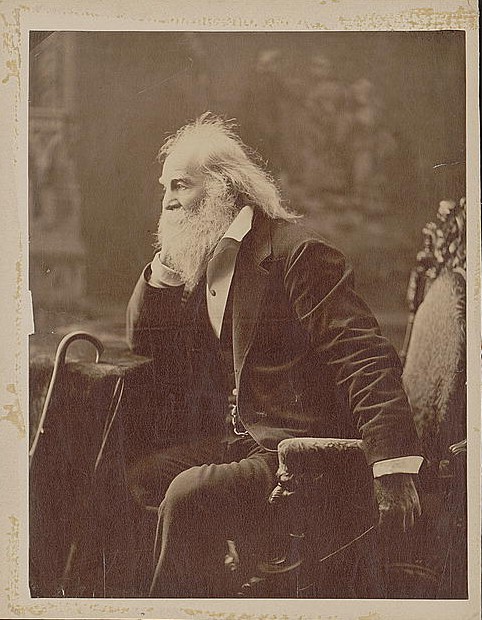 My appreciation of this great American poet has deepened as a result of the discoveries made in Seeking Inspiration — Walt Whitman: Part I. Previous to this research, I’d known nothing about his Quaker ancestry, the impact of alcohol on his childhood, his career in print and journalism, or his interest in the abolition movement. Continue reading “Walt Whitman: Part 2”
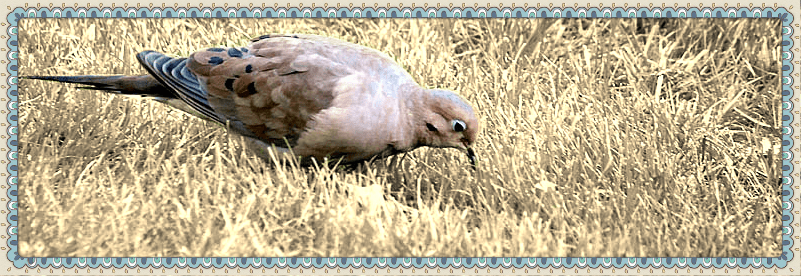
I’m thinking now of a room bathed in morning sunlight and of lace curtains floating on a breeze. The coo of a Mourning Dove reaches my ear. The sound gently nudges me into awareness. The dove is somewhere in a garden, perched boldly on a fence top or peering shyly through a screen of leaves in the pear tree, the oak or perhaps the maple. The thought of a dove nearby cheers me.
Mourning Doves have come to symbolize peace. We associate them with romance, longing, and perhaps sorrow. Their call soothes the soul; their soft colouring and marblelike façade pleases the eye. No wonder they are a common muse for artists and poets.
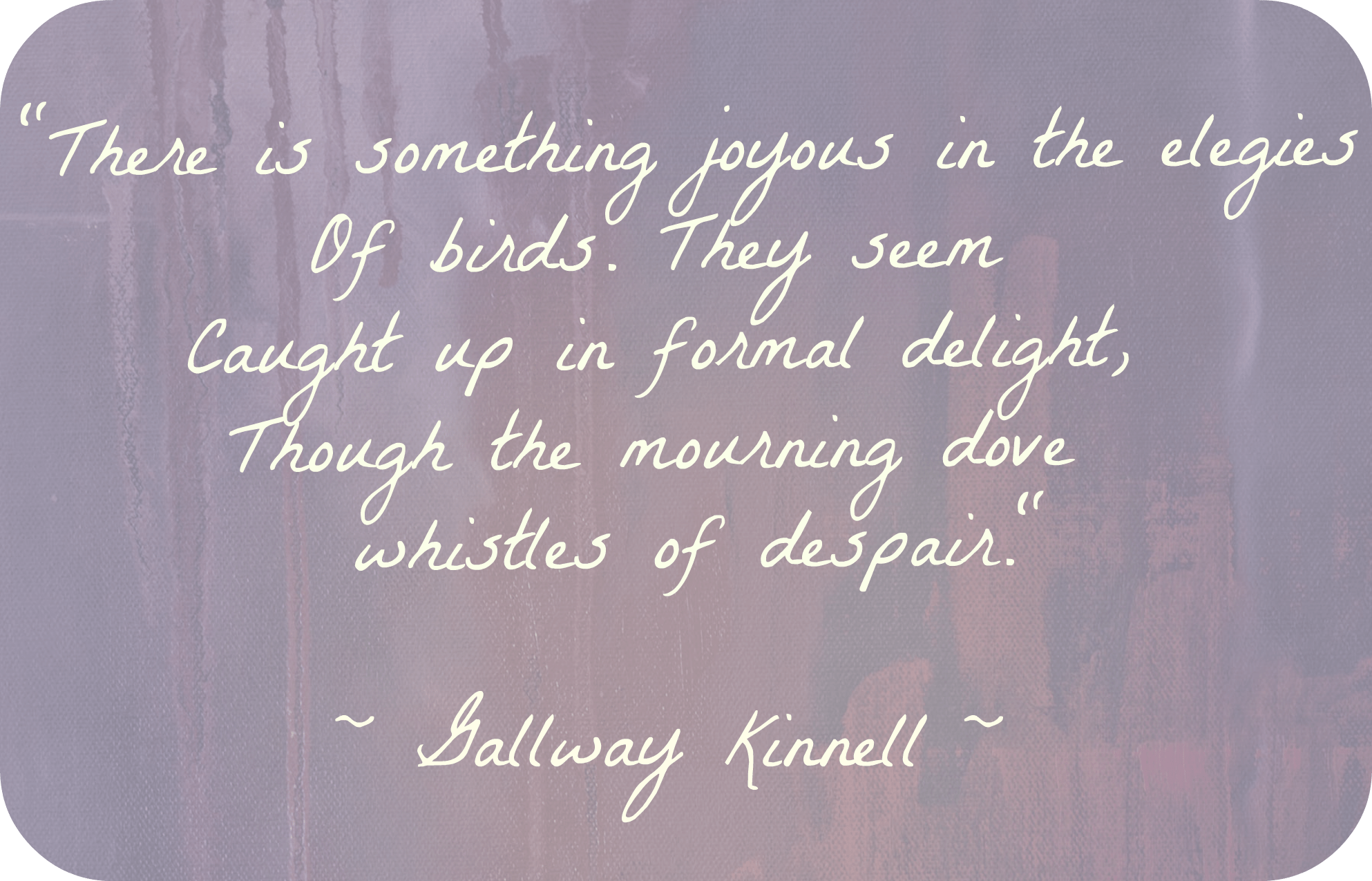
When the phrase “Mourning Dove hunting season” appeared on my computer screen during a research session, I blinked and read again. Surely I must be mistaken.
Last year, for the first time since 1955, Environment Canada announced a Mourning Dove hunting season in Ontario, from early September to mid November. Licensed hunters in specified rural areas, were permitted to take 15 doves per day with a maximum possession limit of 45 birds.
A startled outcry erupted from bird lovers, animal activist groups and the romantics among us. Officials quickly pointed out that British Columbia has held open season on Mourning Doves since 1960. The practice is common throughout the United States.
The Canadian government defended their decision on two fronts. First, The Mourning Dove has been recognized as a game bird since 1916. Secondly, their numbers were abundant enough to sustain a harvest; experts projected that 1% of the mourning dove population would be affected.
Prior to this week, I didn’t know doves could wind up on a plate. I’d heard of squab, but never realized that it was a discrete term for — pigeon or dove. This is not a meal for me, a thirteen year vegetarian.
Perhaps visions of Mourning Dove domesticity will cleanse my mental palette of the afore mentioned imagery. The Mourning doves’ ability to produce six broods per year, in warm climates, accounts for their abundant numbers across North America. When it’s time to nest, the male collects materials and passes them to the female. She takes charge of building. After the eggs are laid, the nest is never unattended. The male dove sits on the eggs from morning until afternoon, when the female resumes her place on the nest. The pairs lean toward monogamy, reuniting the following year or remaining together through the cold winter months.

Lead photo by Ben Tuinman
Please leave a comment! I’d love to hear from you.


While I was growing up, my hometown continued to shift and alter as well. The historical building that once housed our library is long gone, and in its place, stands a modern structure.
 Visiting the original building felt like stepping onto a page of history. Beautiful architectural features welcomed patrons: columns, a hardwood foyer, oak bannisters, arched doorways and ornate trim work. I still remember, with great fondness, the old book smell, sagging shelves, and card catalogue system. Before setting out on summer vacations to northern Ontario cottages, I would sign out an armful of books to read on splintery docks.
My first elementary school was called the Goshen Side Road Elementary. Cow pastures surrounded our playground on three sides. With only three classrooms, you can well imagine, there was no room for a library in our building. Visits by the bookmobile brought us no end of joy. This travelling library was a big purple transport truck; bookcases lined the inside of the trailer. Each child was allowed to sign out two books, then the truck was off to visit the next school.
Today, waiting for a book to arrive means I am waiting for my Chapters/Indigo order to come through the mail slot. I’ve resisted the move to e-books, so far. There is a tactile experience to holding a book that can’t be satisfied by holding a Kindle.
I must confess that technology is adding to my book experience in an unexpected way.
Through the magic of Pinterest, I am curating a world where I am surrounded by books. When I need to reconnect with that old book smell or surround myself with a gallery of books that could never fit within my house, I log on, and walk slowly through my collection of nostalgic library and bookshop photos.
Please click on the link to follow me: Libraries and Bookshops.

I’ve been preoccupied with all things Newfoundland as of late, and for good reason.
My evenings are being spent with Wayne Johnston’s, The Son of a Certain Woman. In my mind, I’m scrambling up Signal Hill or navigating the steep incline of a St. John’s street.
I recently had the good fortune to meet Michael Winter and his book, Minister Without Portfolio rests on the nightstand, next in line.
Had I not visited The Rock, I might not understand the affection that people bear for this province. The landscape is breathtaking at every turn. The warmth and hospitality of the people is legendary, and I will tell you, these claims are warranted. I received an invitation to a kitchen party and a community hall music evenings. A lovely couple invited me to their home for coffee one evening and regaled me with a story that involved the misguided judgment of a teenage boys, a late night return a fishing trip, and a set of relieved parents.
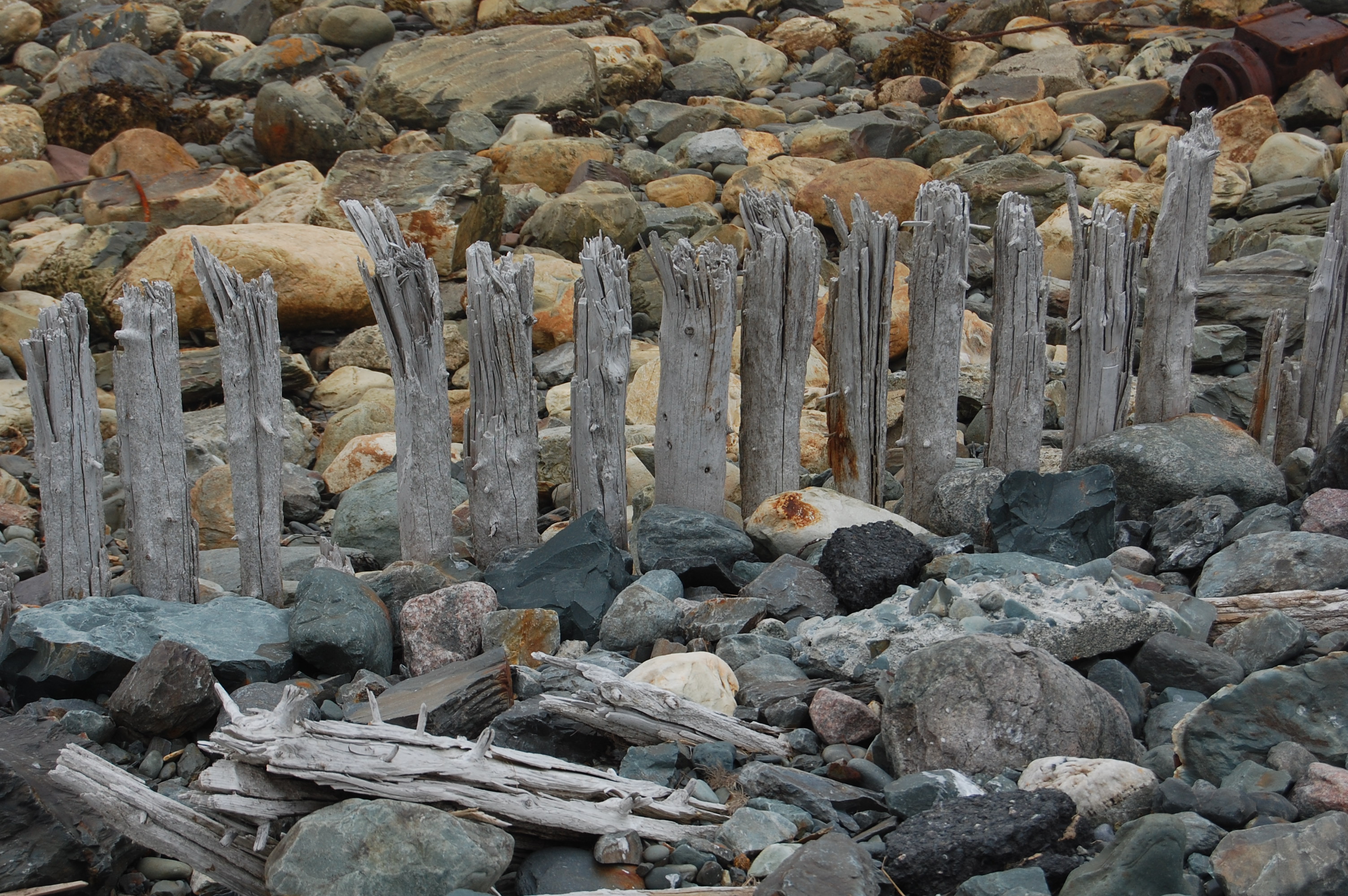
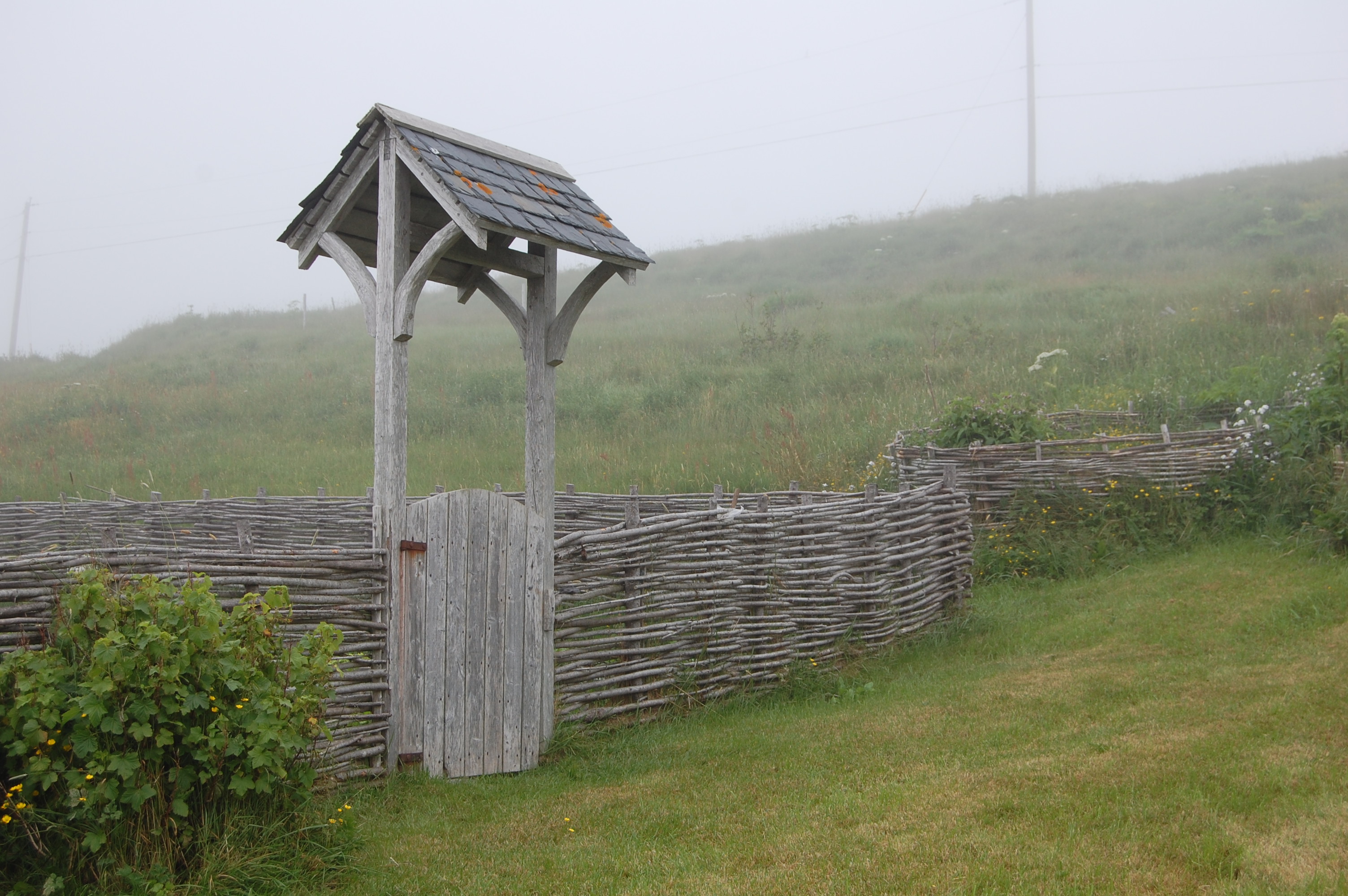
Armed with an appreciation of history and an imagination sparked by a visit to Ferryland , I curated memories via camera and pen.
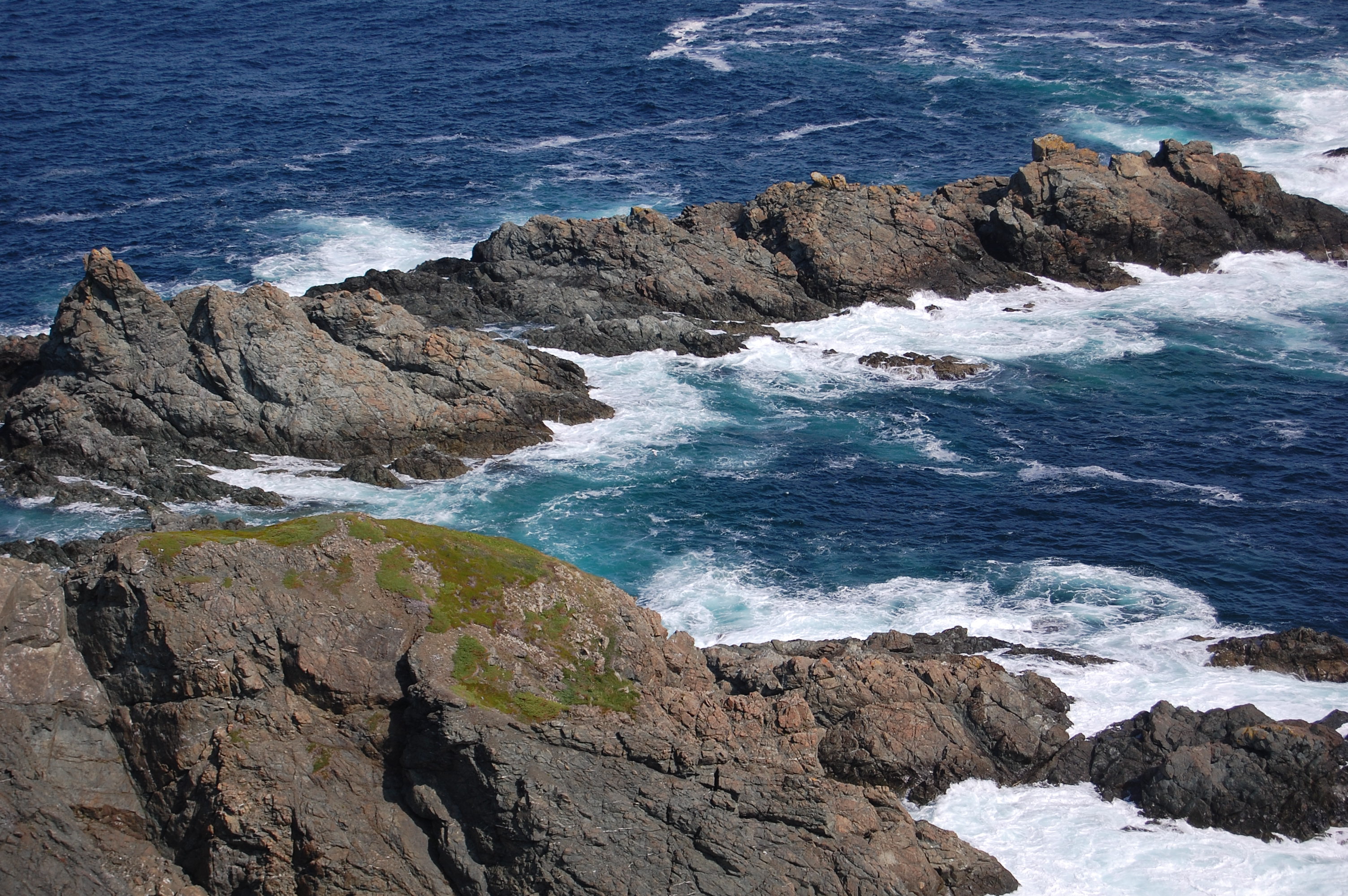

Later, I took the short drive from Twillingate to Crows Head and hiked to Nanny’s Hole, where I discovered yet another breathtaking vista.
When I stood looking out on the Atlantic, and wondered how many women had stood on this very spot, wishing for the return of a husband or lover. This poem was the product of my musing.
Come Back Rocky arms reach out Into the clamour Of surf and spray To pull back A wayward lover Too far from home And tossed about Upon the rolling swell She tends the hearts of women Left waiting upon The Rock Bound up in mossy lace Edged in froth and foam She sees their prayers Whisked out to sea On salty winds And tides of tears Come back to me, my lover That I might warm you through And gently moan Into your ear The comforts of hearth And home I’ll sing of oath and ardour That bind you to my soul Stay near to me, my lover And call this place your home I will cleave unto you more surely Than the waves unto the shore And pray my pull Is stronger upon you Than the temptress Far out at sea By Gwen Tuinman